Void Swatches
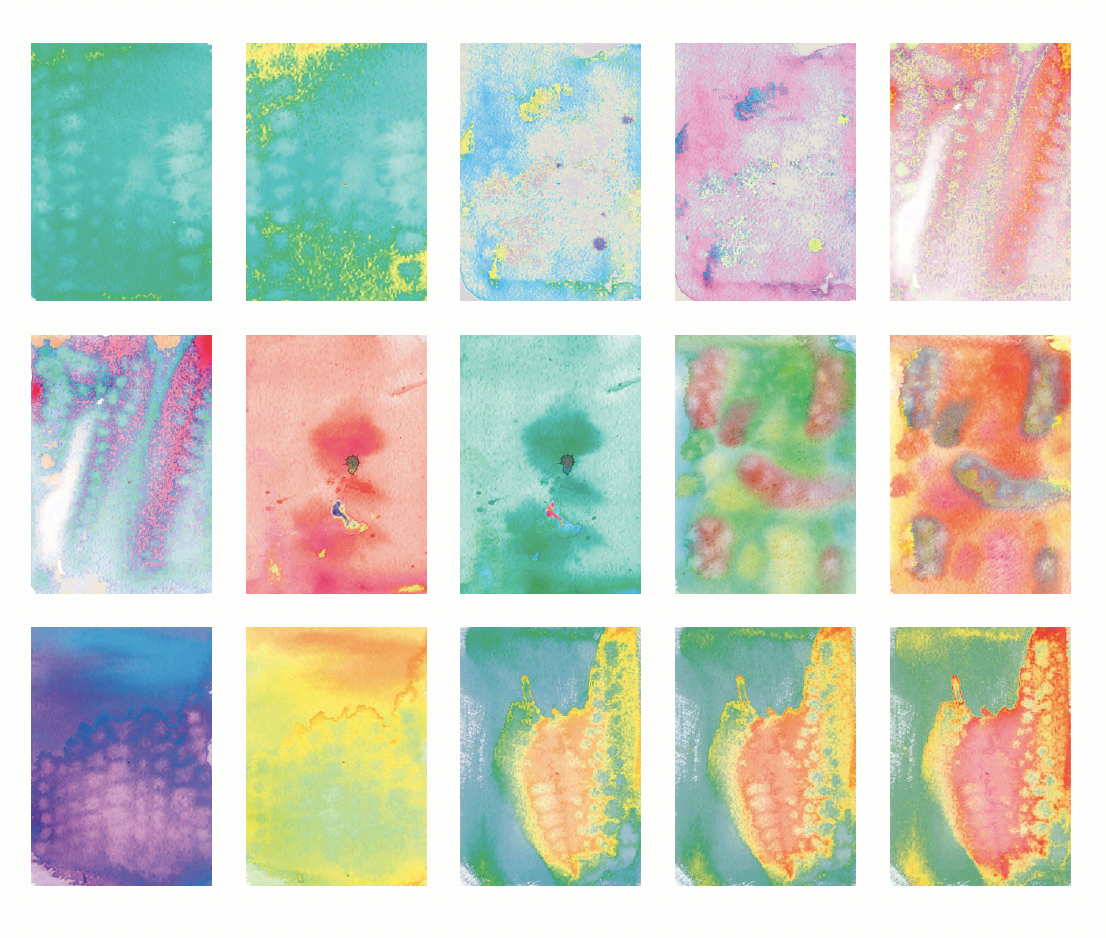
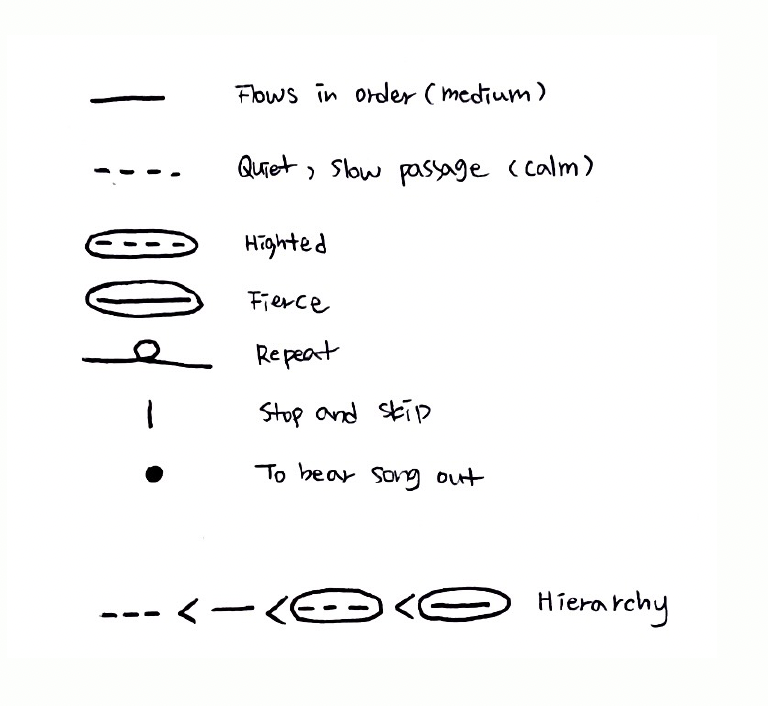
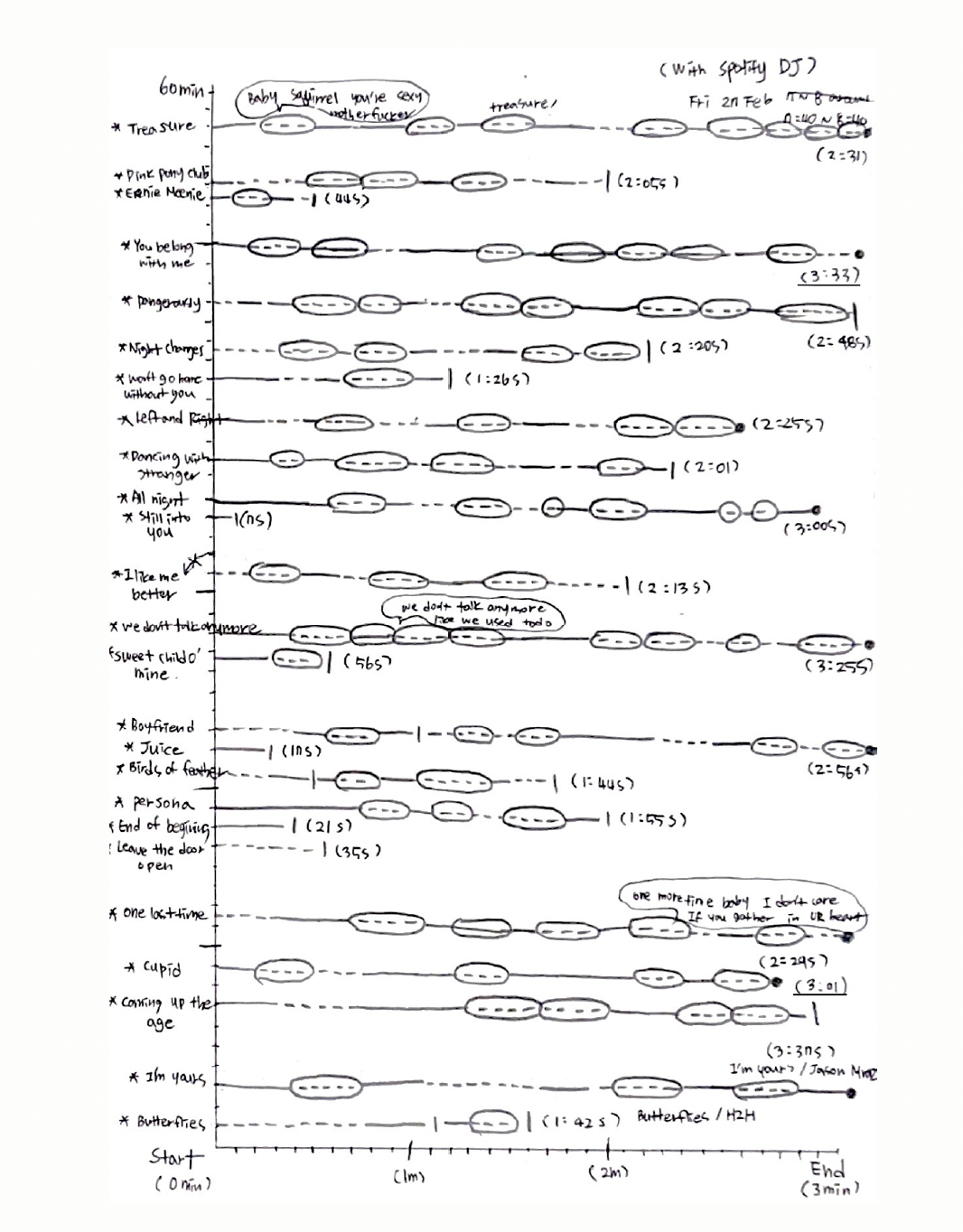
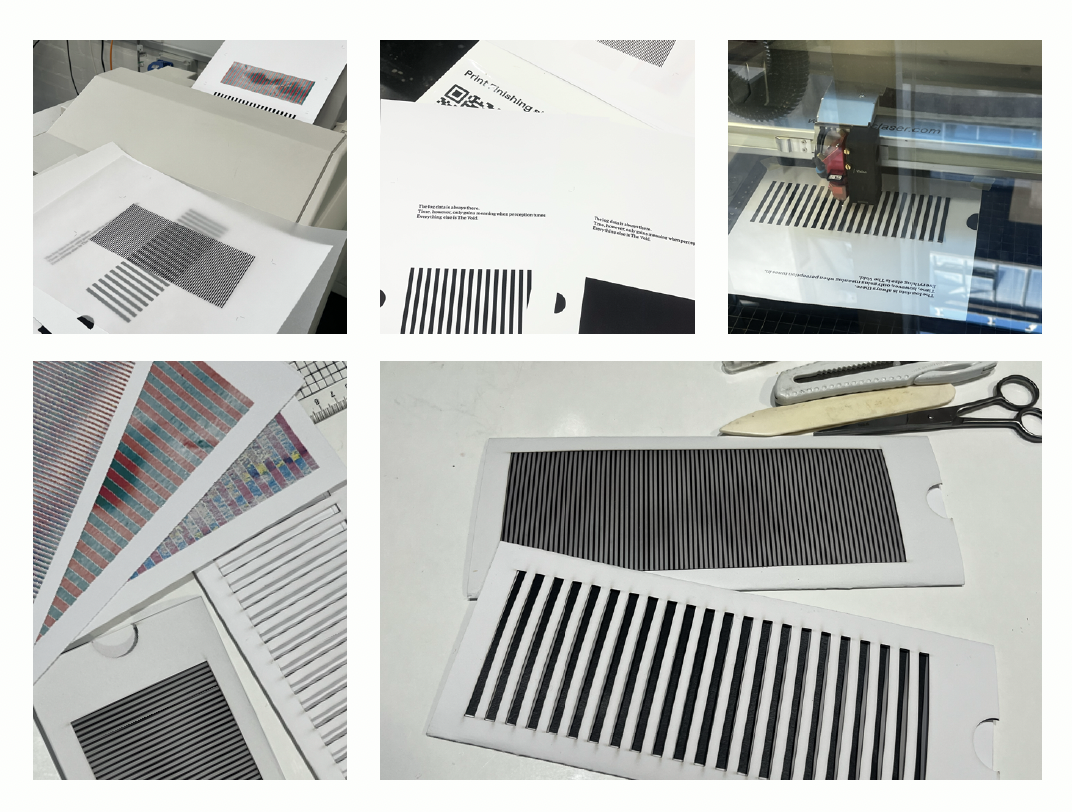
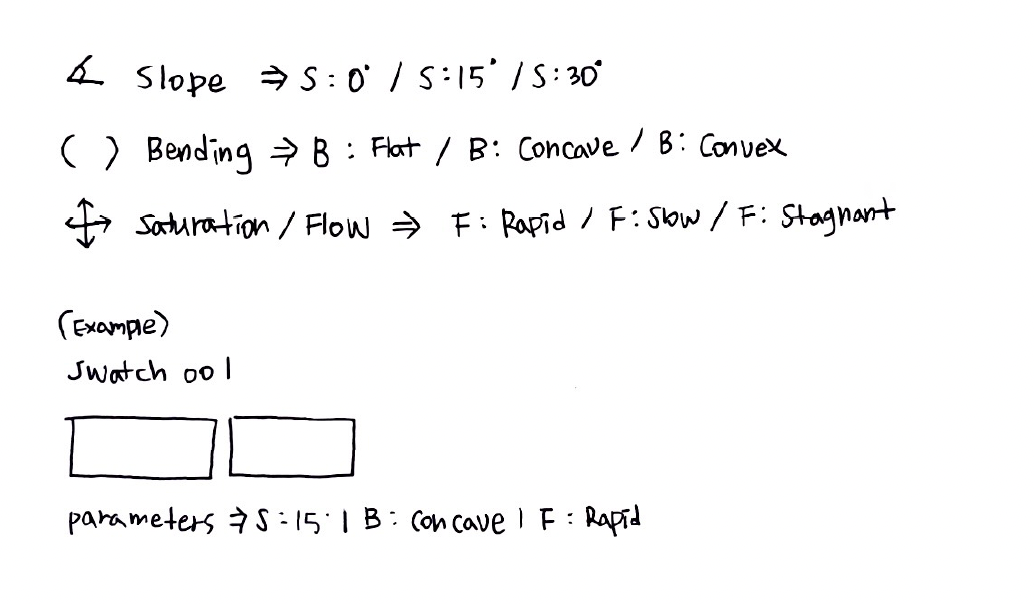
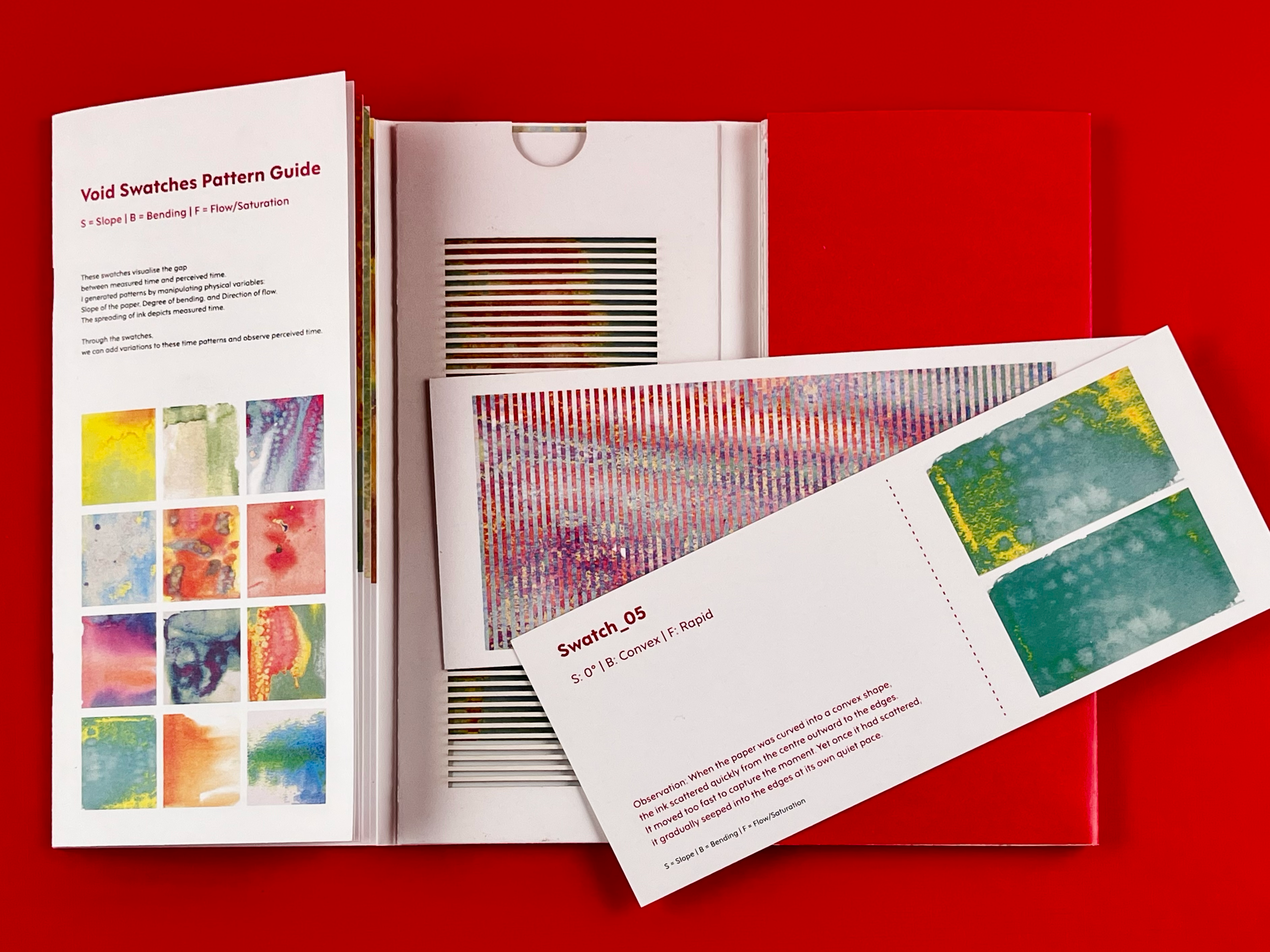
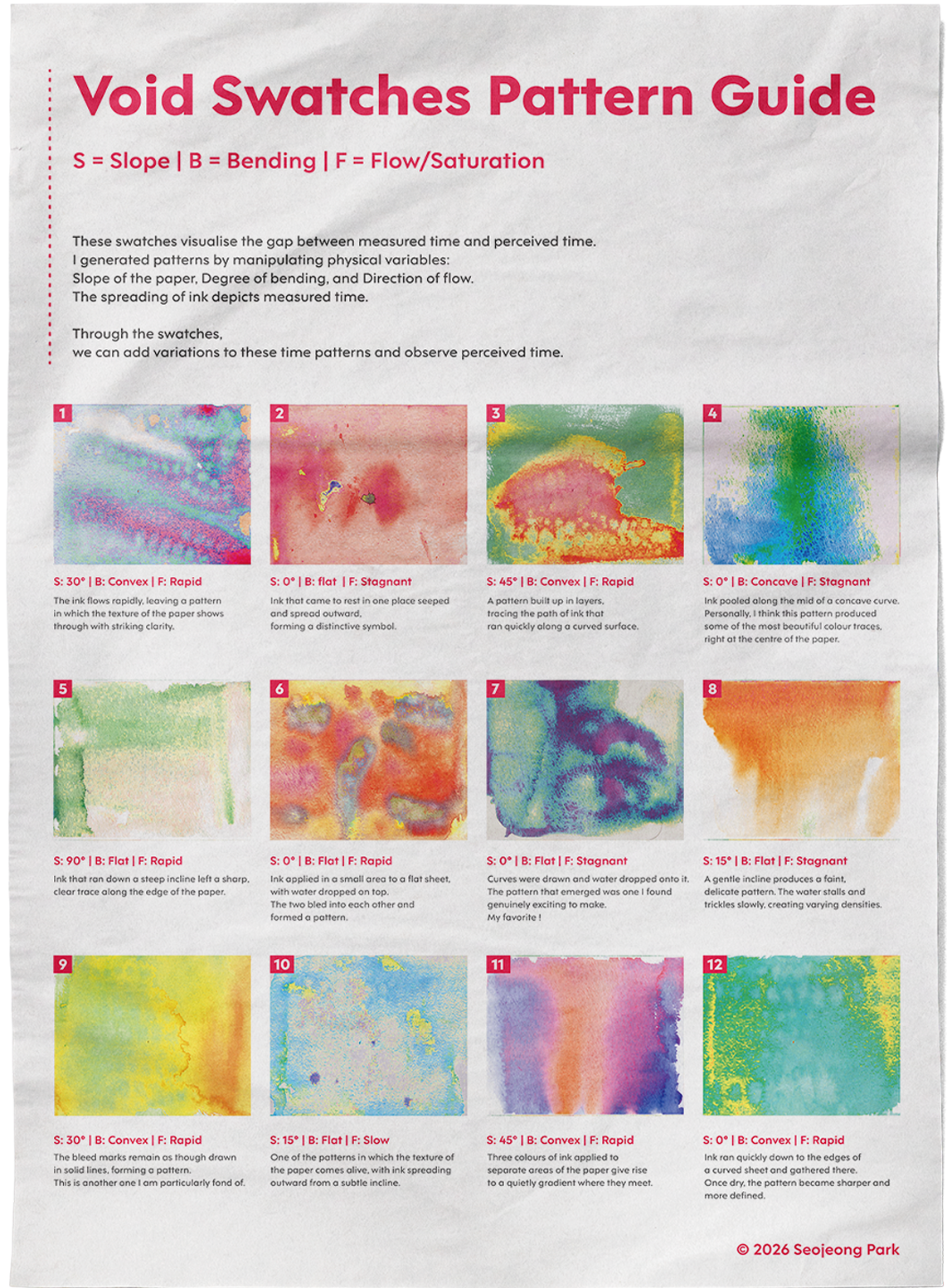
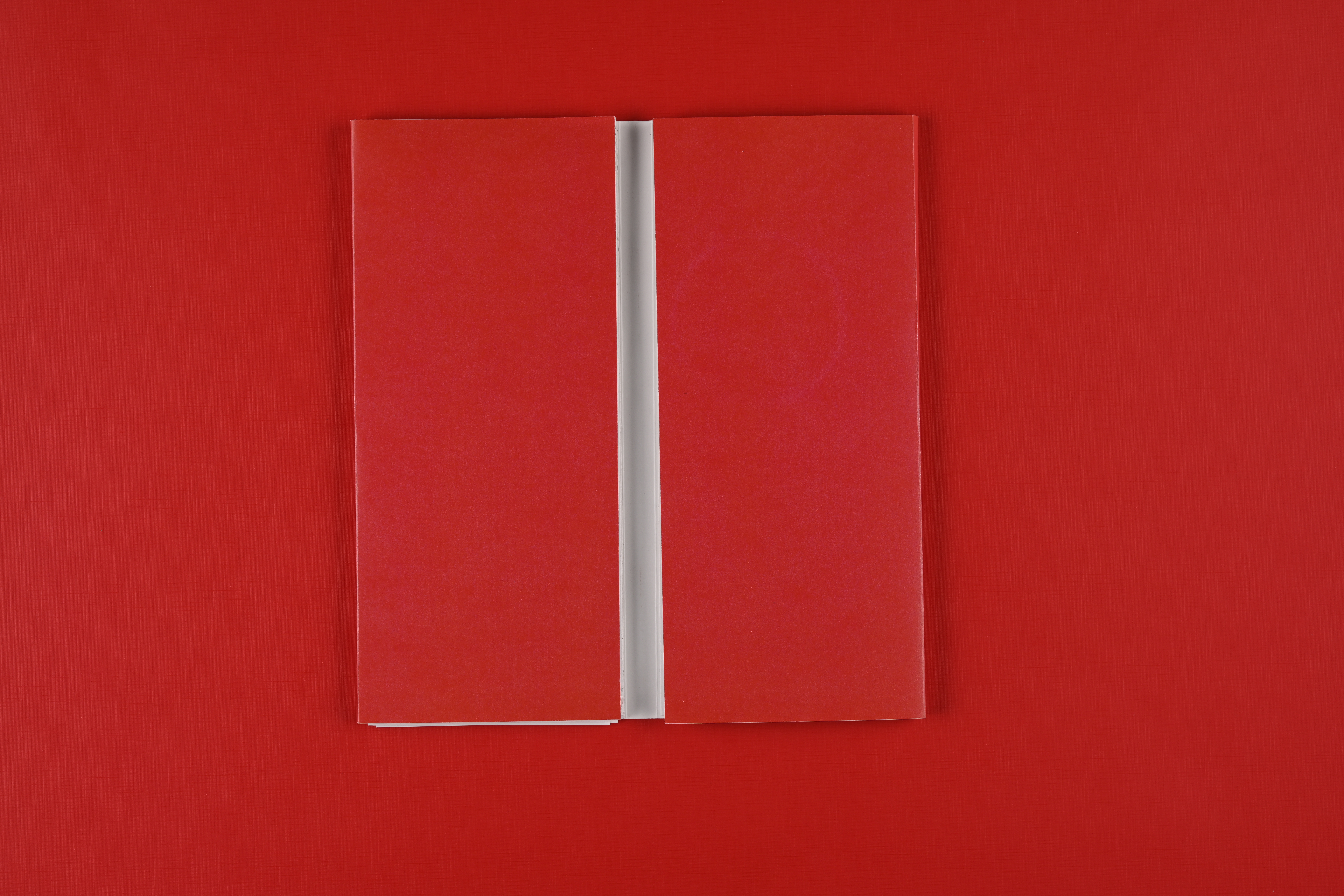
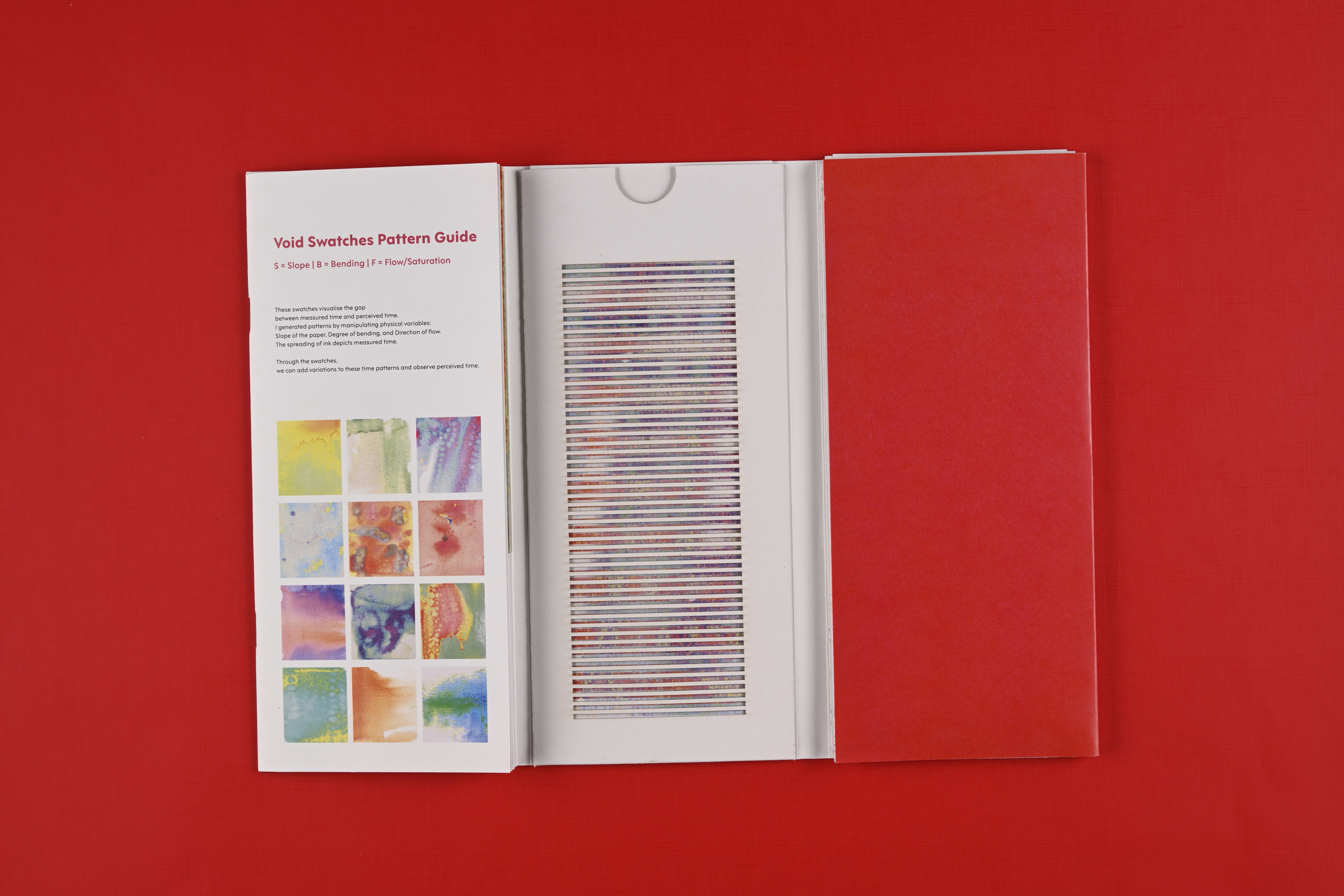
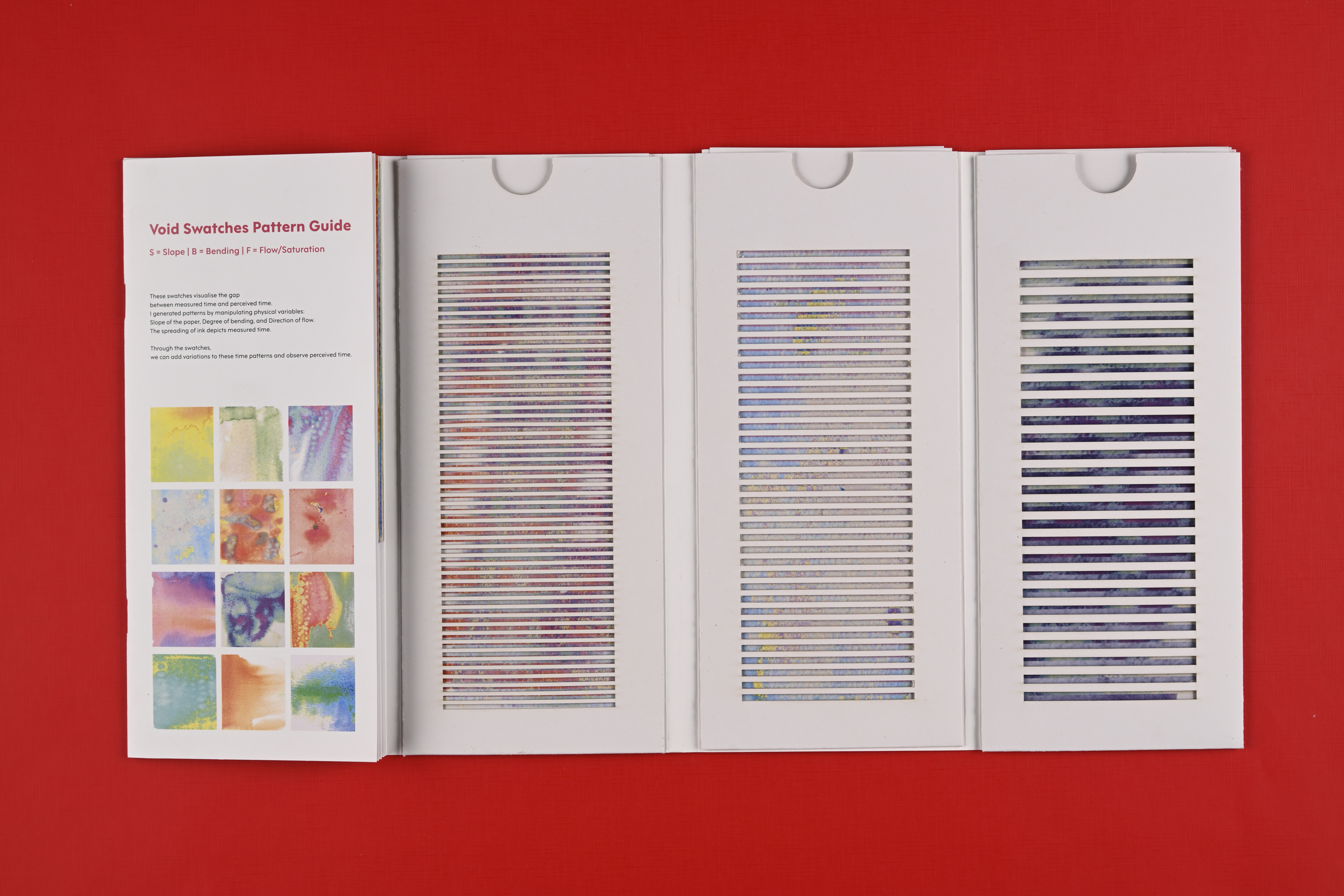
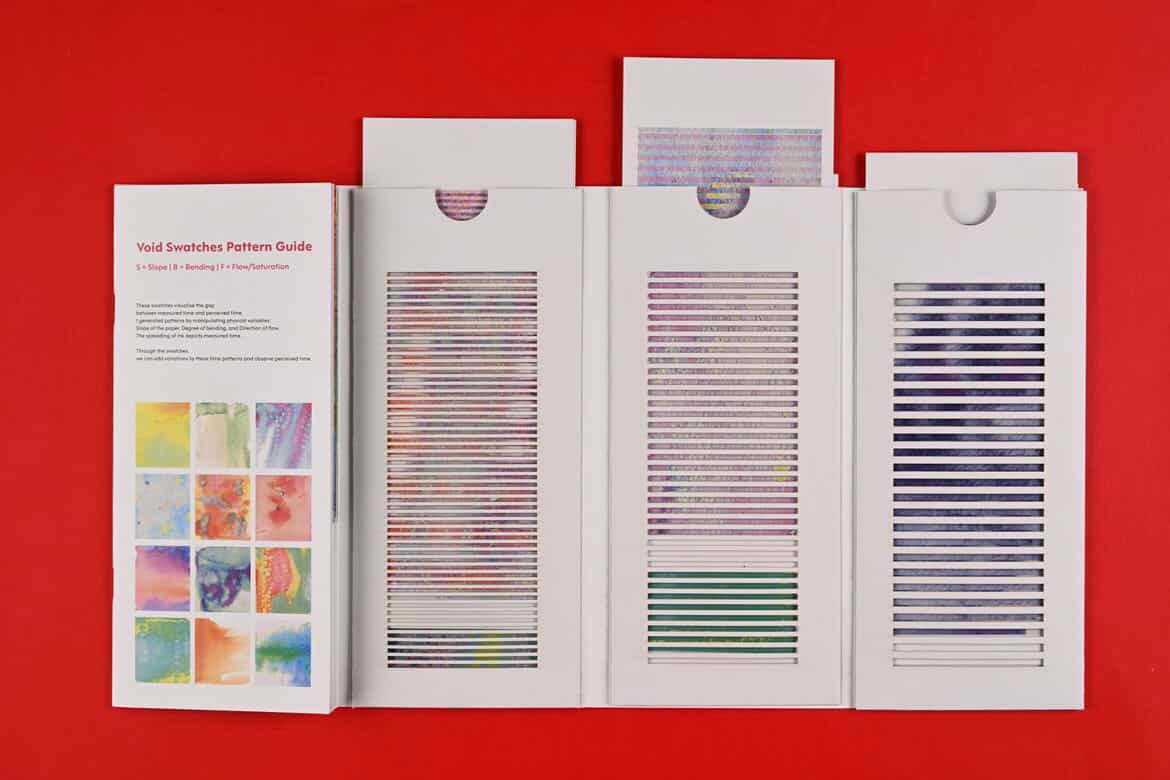
Void Swatches visualizes the gap between measured time and perceived time, drawing on data insights captured within the digital platform Spotify. The still ink patterns recorded in the guidebook represent data—symbolizing time that has been fixed as 'measured time.' However, the moment the audience places a swatch into the moiré case and moves it themselves, the static pattern comes alive with dynamic energy, generating the non-linear flow of 'perceived time.' Through this tactile experience of touching and activating the patterns, the audience can discover their own rhythm beyond measured time: their personal, perceived time. Ultimately, this project invites viewers to look again at the overlooked moments of everyday life—the skipped time, The Void.
Your pace defines your time
The gap in time: ten minutes waiting at a hospital feels like two hours, while two hours spent playing a game feels like ten minutes. This is the gap that exists between perceived time and measured time.

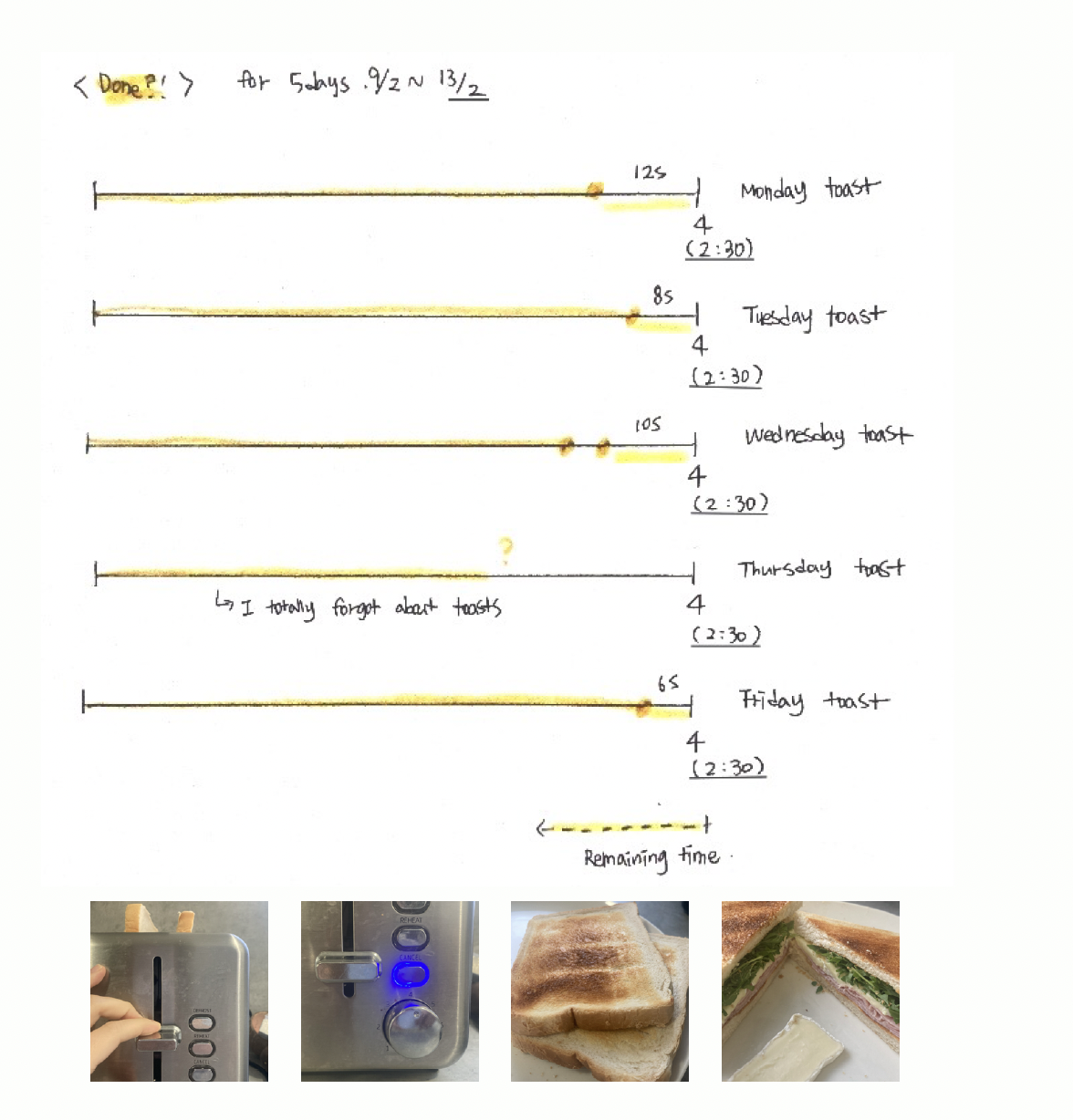
I observed the kitchen—specifically honing in on the toaster. I always fail to gauge when the toaster will finish—usually when I think the toast is done, I’ve still got ages to wait. I typically use the toaster to make sandwiches on hungry mornings, so this time I was determined to actually measure it. The trade-off was having to commit to toast as my fixed breakfast menu every morning for five days. I managed to collect time data every morning except Thursday. On Thursday morning, I completely forgot about the bread I’d put in the toaster... I measured the time from the moment I thought the toaster was done (without checking the time beforehand) until it actually finished, recording how much time remained. The infuriating result was that I consistently failed to predict the exact timing—always by just a few seconds.
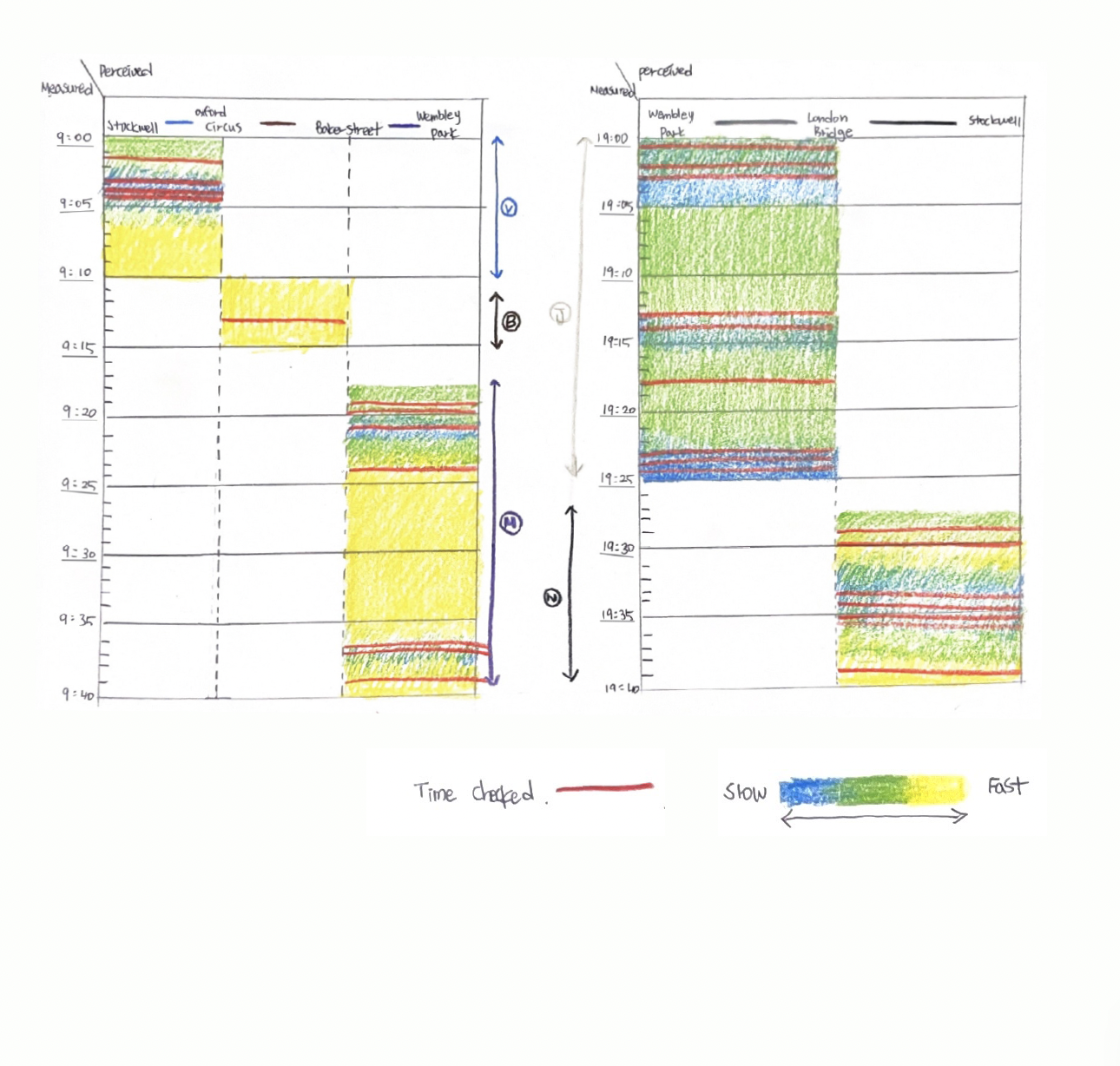
I collected time data during the journey from Stockwell to Wembley Park Station. The time data I observed fell into two main categories: the moments when I checked the time (perceived time), and the actual time data shown on the route provided by Google Maps (measured time). I used measured time for the vertical axis and perceived time for the horizontal axis. Journeys involved similar amounts of time spent on the Tube. However, the perceived time quite differed. I tended to check the time mainly when the distance between stations felt long. In other words, I primarily checked the time when I perceived it to be passing slowly. The Metropolitan Line pattern is also worth noting—having mobile data meant I was scrolling through Instagram, which made time feel like it was passing quickly. Frequent tube changes also contributed to the sense of time moving faster.
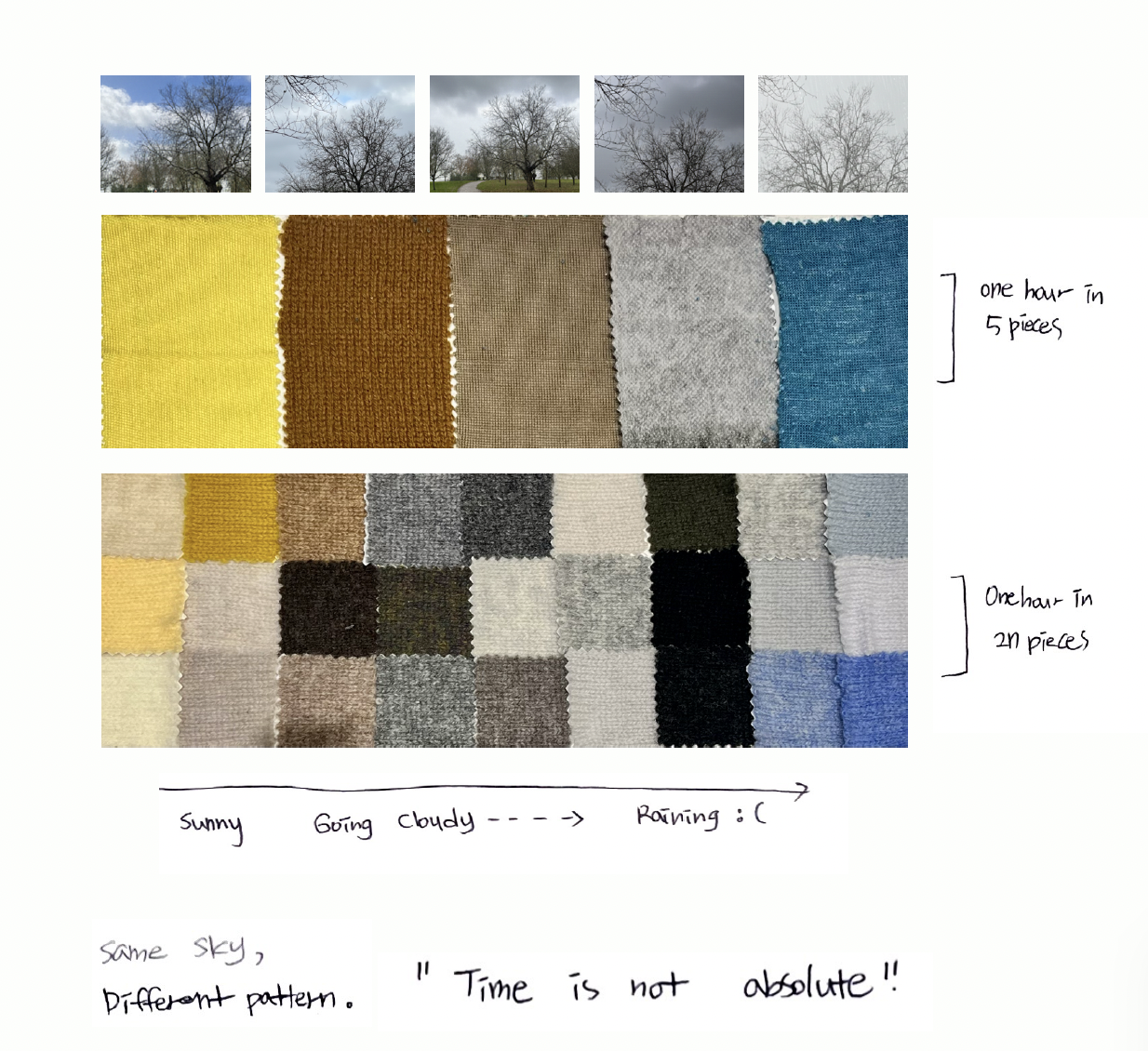
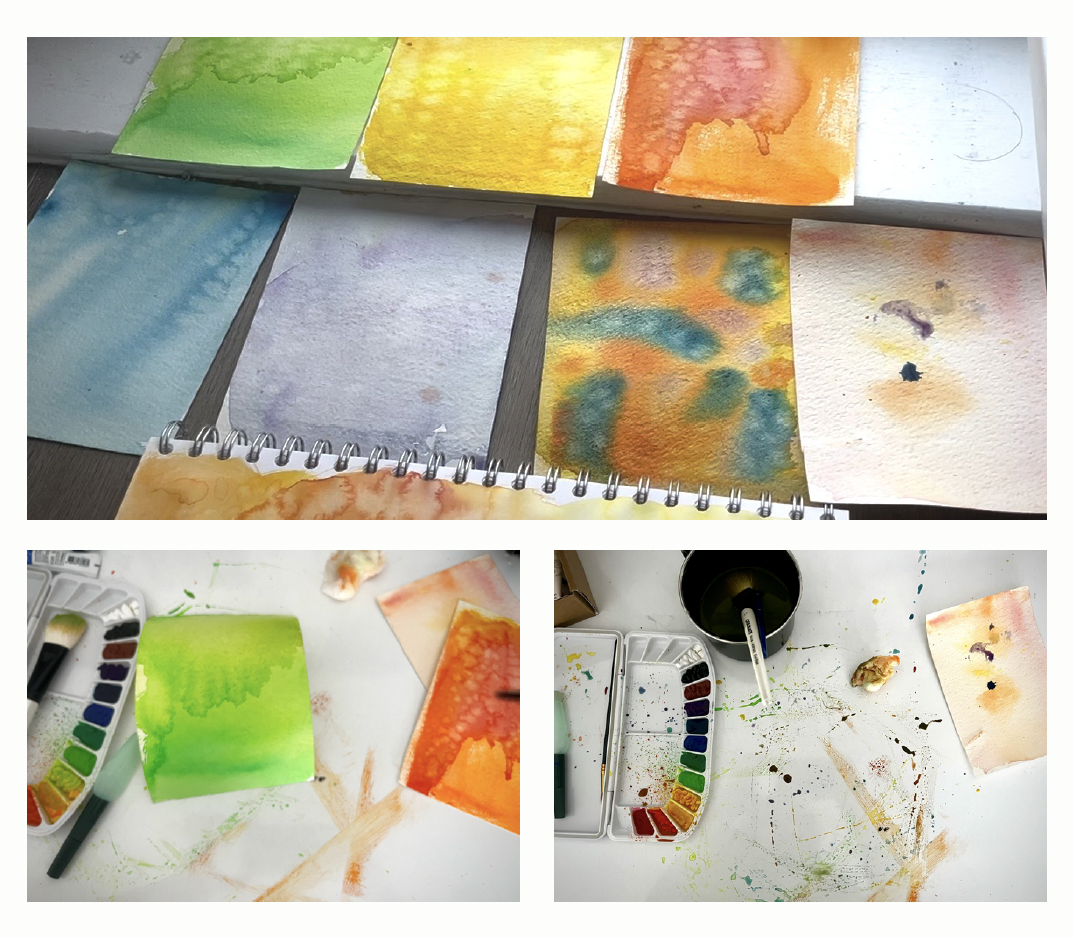
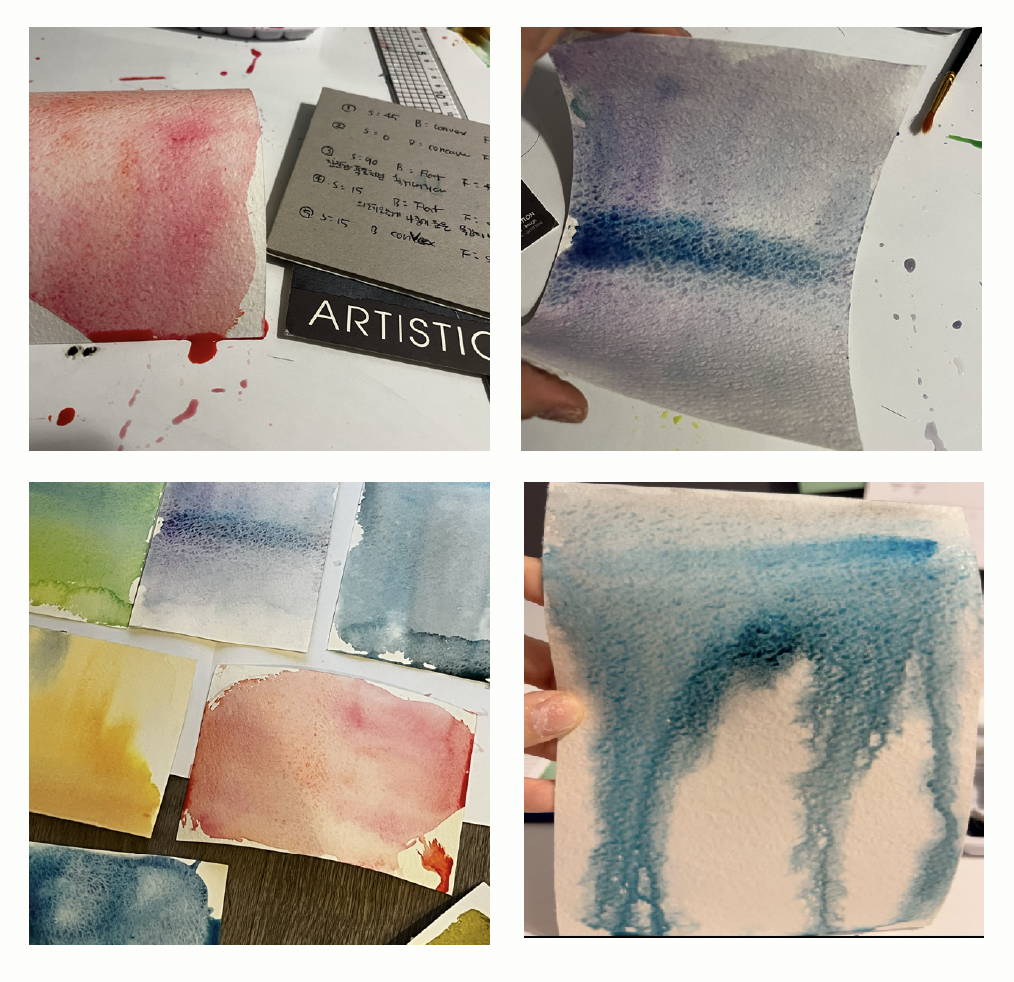
The same one-hour sky was recorded as different lengths of time fragments on paper. Time fragments of 12 to 15 minutes were recorded on larger pieces of cloth, whilst fragments of 3 to 5 minutes were recorded on relatively smaller pieces. I observed the same sky over the same hour, but depending on the size of the fragments, the patterns appeared differently. It suggests that even observed time can be perceived differently depending on the criteria used. There is no absolute time.
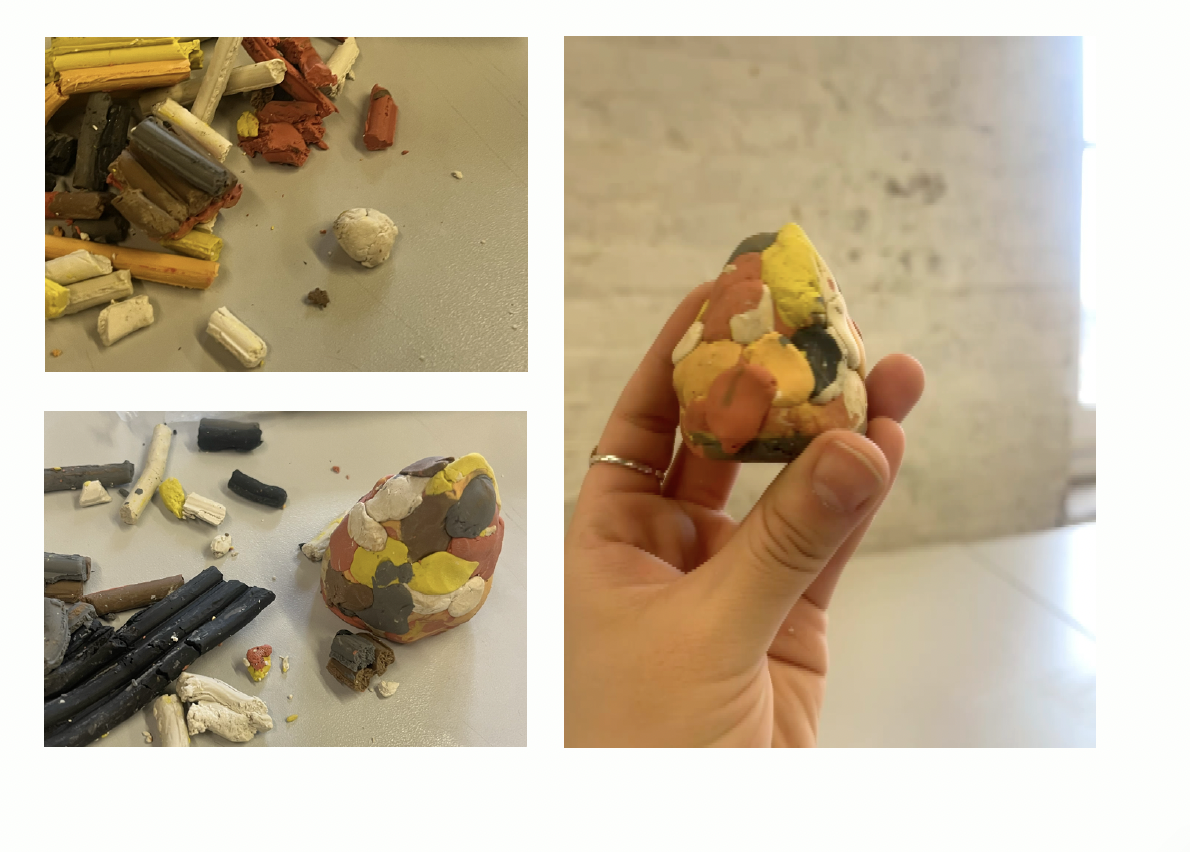
For people, time can be divided into time we remember and time we don’t remember. The time we don’t remember is lost time. What specific examples might there be of this lost time? Perhaps it includes time from too long ago, or moments when we weren’t paying attention. After an hour had passed, the lost time had become a single mass. If we were to extend the scope to two hours, a day, a week, or a year, the size of that mass would surely be considerable. We need to pay attention to lost hours and take another look at the time that’s passed.
→ Absolute time does not exist.
Discovering and Exploring the Gap Between Perceived and Measured Time in the Everyday.